

Creating a sustainable wardrobe does not mean emptying your bank account or buying expensive designer pieces. In fact, many of the smartest strategies focus on thoughtful use of what you already own and choosing clothing that lasts. How to build a sustainable wardrobe starts with understanding what sustainability really means in fashion, which goes beyond labels and certifications to include durability, ethics, recycling, and conscious consumption. In recent fashion discussions, shoppers and experts alike have shifted toward a mindset that values quality over quantity and longevity over fast trends.
A well‑chosen wardrobe can reduce waste, help the planet, and still look stylish. This guide walks through practical techniques, budget‑friendly brand recommendations, and wardrobe foundations that make it easier to dress with intention without overspending. Whether you are starting from scratch or refining what you already have, the goal is a closet that functions smarter, with fewer pieces that combine style with meaningful sustainability.
What Is A Sustainable Wardrobe
A sustainable wardrobe is one built around garments that are durable, ethically made, and worn frequently rather than discarded after just a few uses. Beyond environmental impact, the concept also encompasses social ethics—ensuring that workers are treated fairly and that supply chains are transparent.
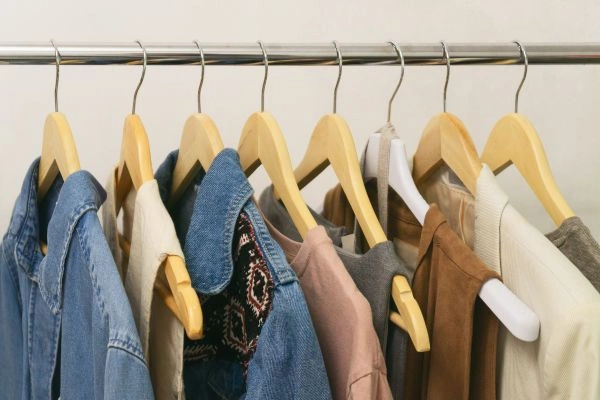
Sustainable wardrobe building challenges the “fast fashion“ mentality that prioritizes cheap materials and fleeting trends. Instead, it prioritizes garments that can be worn repeatedly and styled in many ways. Choosing such pieces reduces waste over time and encourages a more thoughtful relationship with clothing. It also means considering how often you wear items, how you care for them, and where they end up when they are no longer needed.
The Core Principles Of Sustainable Fashion
Understanding some basic principles of sustainable fashion makes it easier to put them into practice. These principles apply whether you have a big budget or are trying to shop on a tight one.
Buy Less, Choose Quality
Fast fashion thrives on volume and low cost, but garments bought cheaply often wear out quickly and end up in a landfill. A cornerstone of a sustainable wardrobe is buying fewer items but choosing those made from better materials and craftsmanship. Garments that last longer save money over their lifetime and reduce the need for repeated purchases.
When evaluating potential purchases, consider:
- Is this item well constructed?
- Will it still look stylish after several wears and washes?
- Can it be styled with many outfits you already own?
These questions help shift focus from impulse buying to intentional selection.
Choose Timeless Styles Over Trends
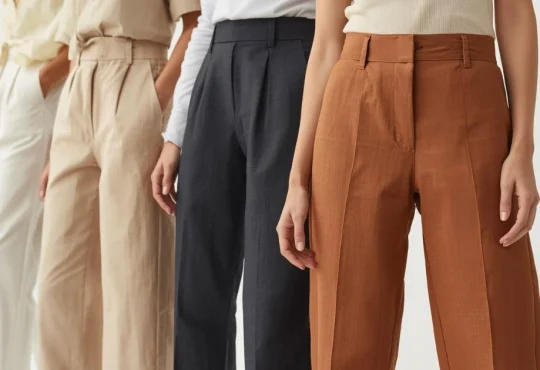
Trendy pieces may look great in the moment, but their appeal can fade quickly. Classic items such as a well‑made blazer, plain white shirt, dark denim, or tailored trousers are staples that rarely go out of style and can be worn across seasons and years. These foundational pieces are the backbone of a sustainable wardrobe because they get more wear and mix easily with other items.
Select Sustainable Materials
Some fabrics have lower environmental impacts than others. Prioritizing sustainable fabrics ensures that garments are not only durable but also less damaging to the planet. Some materials to look for include:
- Organic Cotton: Uses less water and fewer harmful chemicals compared with conventional cotton.
- Linen: Biodegradable, breathable, and long‑lasting.
- Tencel (Lyocell): Made in closed‑loop systems that recycle solvents and water.
- Hemp: Requires minimal resources to grow and is strong and durable.
Avoiding synthetic fabrics like nylon or polyester helps reduce microplastic shedding and supports longer garment life in environmentally friendly ways.
Ways to Build a Sustainable Wardrobe Affordably
Sustainable shopping doesn’t have to be expensive. Many effective strategies help individuals build a conscious closet without spending a fortune.
Start With What You Already Own
Before purchasing anything new, take stock of your closet. Identify pieces you already love and wear frequently, and make them the foundation of your outfits. This simple step is the most sustainable action you can take, because the most eco‑friendly garment is one you already have.
Decluttering your wardrobe by removing ill‑fitting or seldom‑worn items allows you to see what you truly need. Donate or resell pieces that are still in good condition so someone else can benefit from them. This extends their life and keeps them out of the landfill.
Mend, Repair, And Upcycle
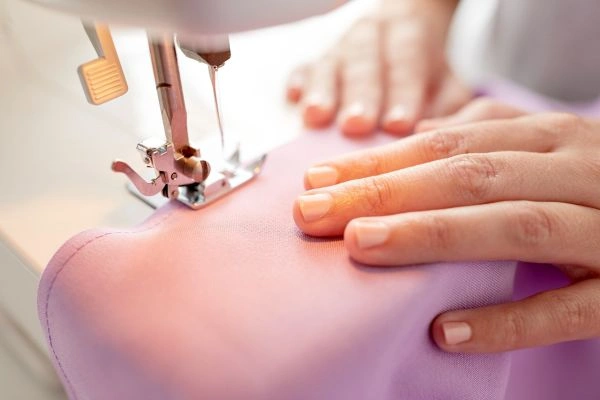
Instead of discarding clothing at the first sign of wear, learn basic repairs. Sewing buttons, fixing hems, or patching small holes extends a garment’s useful life. Clothes that are repaired often develop character and can become preferred pieces in your lineup.
If an item no longer fits your style, consider upcycling it. Turning jeans into shorts or adding creative embroidery gives the item new life and makes it uniquely your own. These simple acts of repair reduce waste and help you appreciate what you already own.
Shop Second‑Hand And Vintage
Thrift stores, vintage shops, and online resale platforms are goldmines for sustainable fashion. You can find high‑quality, well‑made garments at a fraction of the original prices. Second‑hand clothing also keeps already‑produced garments in circulation longer, which reduces demand for new production.
Online platforms like eBay, ThredUp, Depop, and Poshmark allow you to search for specific items, sizes, and brands, making it easier to build a curated, sustainable collection without overspending.
Buy Strategic Core Pieces
You don’t need a giant wardrobe to dress sustainably. Instead, identify a few core pieces you will wear often and invest in those. These might include:
- A well-fitting, high-quality pair of jeans
- A durable jacket in a neutral color
- A classic blazer or button‑down shirt
- Breathable basics like organic cotton tees
Buying higher-quality items means they’ll outlast cheaper alternatives and save money in the long run by reducing the need to replace them as often.
Watch For Sales And Clearance
Many sustainable brands offer seasonal sales or clearance events where timeless pieces are discounted. Signing up for newsletters or following brands on social media helps you catch sales quickly. Affordable basics from conscious brands can often be found at 20‑40 percent off during these events.
Budget shoppers can build a sustainable wardrobe by combining such discounted pieces with second‑hand finds and repairing what they already own.
Explore Affordable Sustainable Brands
A growing number of brands are focusing on sustainability without charging exorbitant prices. These brands are known for responsibly made clothing and have become go‑to options for those building an eco‑friendly closet on a budget:
- Pact: Offers affordable, organic cotton essentials made with ethical practices.
- Organic Basics: Produces minimalist, sustainable basics, including tees and underwear, made from eco‑friendly fabrics.
- Thought Clothing: Uses natural fibers such as hemp, bamboo, and organic cotton to create timeless pieces.
- Reformation: Combines stylish designs with sustainability goals, including low‑impact production.
All of these brands truly exist and are recognized internationally for their place in sustainable fashion. Their items prioritize ethical production, transparency, and reduced environmental impact.
Creating A Sustainable Wardrobe That Works
Building a sustainable wardrobe goes beyond buying new, eco‑friendly clothes. It requires a shift in mindset toward more intentional consumption and enduring style.
Build Around Neutral Colors And Versatility
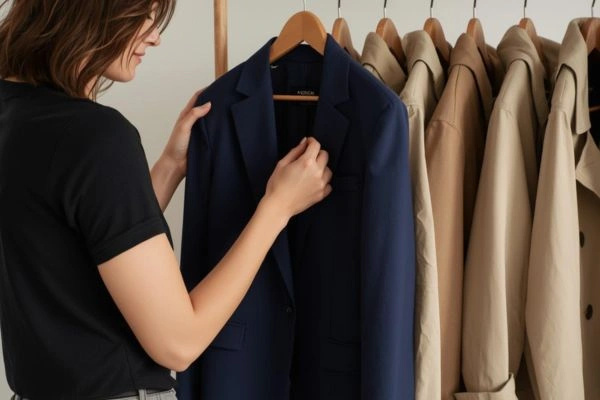
Choosing versatile pieces in neutral colors like black, navy, beige, and gray helps your wardrobe feel cohesive and flexible. Such hues mix and match easily, so fewer purchases are needed to create many outfit combinations.
A neutral T‑shirt, a well‑fitted blazer, or a durable jacket can be styled in multiple ways, reducing the desire to buy trend‑driven items that get worn only a few times.
Embrace Capsule Wardrobe Philosophy
Capsule wardrobes focus on a small collection of thoughtful, compatible items that can be worn interchangeably. This approach simplifies getting dressed, reduces decision fatigue, and ensures each garment earns its place in your closet.
Capsule wardrobes are inherently sustainable because they encourage mindful purchasing and eliminate excess clutter. Instead of buying impulsively, you build slowly with intention.
Care For Clothes Properly
Taking proper care of your clothes is key to making your wardrobe truly sustainable. Washing clothes less often, using gentle cycles, and air‑drying when possible all extend the life of clothing. Repairing minor issues and storing garments properly also helps them look fresher longer.
When items truly reach the end of their life, explore textile recycling schemes rather than throwing them in the trash. Many communities and brands offer recycling programs that repurpose old fabrics into new materials.
How To Build A Sustainable Wardrobe For Different Lifestyles
A sustainable wardrobe looks different for everyone, but the principles remain the same. Here’s how various lifestyles can approach sustainable fashion without overspending:
For Students And Young Adults
Students often face budget constraints, but sustainable choices can still fit within tight finances. Thrifting, clothing swaps with peers, and buying versatile basics help build a foundation without high costs. Focusing on quality and repairing what you own prevents frequent replacements and long‑term expenses.
For Professionals
Professionals may need a mix of smart workwear and casual pieces. Investing in timeless items like tailored trousers, classic blazers, and durable outerwear creates a sustainable wardrobe that fits both work and weekend needs. Neutral colors and versatile materials, such as organic cotton, allow these items to serve many purposes, increasing the cost‑per‑wear value.
For Trend Lovers
Even those who enjoy trends can build a sustainable wardrobe by using accessories to update outfits rather than buying expensive seasonal clothing. A timeless foundation allows trendy accents to shine without overwhelming the closet or creating excess waste. Neutral basics combined with statement accessories strike a balance between style and sustainability.
Why Sustainable Wardrobe Choices Matter
The fashion industry is one of the most polluting sectors globally, and consumers are increasingly aware of the impact their choices have on the environment. Sustainable wardrobe building helps reduce textile waste, water usage, and carbon emissions — but it also fosters a deeper connection with clothing.
By choosing fewer, better pieces and caring for them well, individuals reduce their environmental footprint and support brands that prioritize ethical, transparent production. Over time, these decisions accumulate, shaping how fashion evolves and encouraging brands to adopt more responsible practices.
Frequently Asked Questions
- What is a sustainable wardrobe?
A sustainable wardrobe is a collection of clothing focused on durability, ethical production, and eco-friendly materials. It emphasizes buying fewer items, choosing quality over quantity, and reducing waste.
- How can I start building a sustainable wardrobe on a budget?
Start by taking stock of your current clothes, repairing worn items, shopping second-hand or vintage, and investing in versatile, high-quality basics that last longer.
- Which materials are best for sustainable clothing?
Eco-friendly fabrics like organic cotton, linen, hemp, and Tencel are ideal. They require fewer resources to produce, are durable, and reduce environmental impact.
- Can sustainable fashion be stylish?
Yes. Choosing timeless pieces, neutral colors, and versatile designs allows you to stay stylish while minimizing waste. Accessories can update outfits without overbuying.
- Are affordable, sustainable brands available?
Absolutely. Brands like Pact, Organic Basics, Thought Clothing, and Reformation offer ethically made, eco-friendly garments at accessible prices.
How to Build a Sustainable Wardrobe Without Breaking the Bank
Building a sustainable wardrobe without spending a fortune is not only possible but rewarding. With an intentional mindset, thoughtful purchases, and smart use of what you already own, sustainability becomes part of your everyday style. Whether you are drawn to second‑hand shopping, investing in quality basics, or experimenting with eco‑friendly fabrics, every step toward a conscious closet matters. The practices outlined here make sustainable fashion accessible, affordable, and stylish for anyone committed to making lasting change.