

Choosing the perfect wedding dress is more than a one‑day decision. It is about understanding your body, your personal style, and the overall feeling you want for your celebration. Whether the wedding is a rustic outdoor event, a traditional church ceremony, or a chic city hall affair, knowing how to choose a wedding dress that feels right for you makes the entire experience more joyful.
The wedding dress you pick will be photographed, remembered, and worn on one of the most meaningful days of your life. Bridal fashion continues to evolve, with current trends bringing fresh silhouettes, fabrics, and detailed touches to gowns. From structured bodices to ethereal layers and romantic accents, modern bridal gowns offer more variety and personality than ever before.
This guide walks through key steps and expert tips to help you confidently find and style a wedding dress that fits your unique personality and day‑of needs. By learning about silhouettes, trends, body shapes, and shopping strategies, you can make an informed decision that makes you feel beautiful and poised.
Understanding Wedding Dress Styles And Silhouettes
Wedding dress styles influence both how the gown looks and how it feels when worn. Knowing the differences between them helps narrow down choices quickly and makes trying on dresses less overwhelming.
A‑Line Wedding Dresses
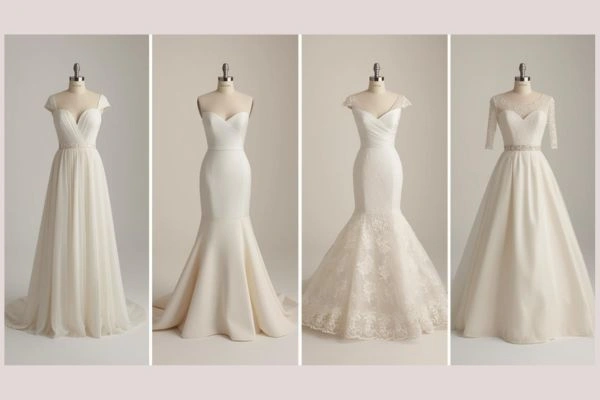
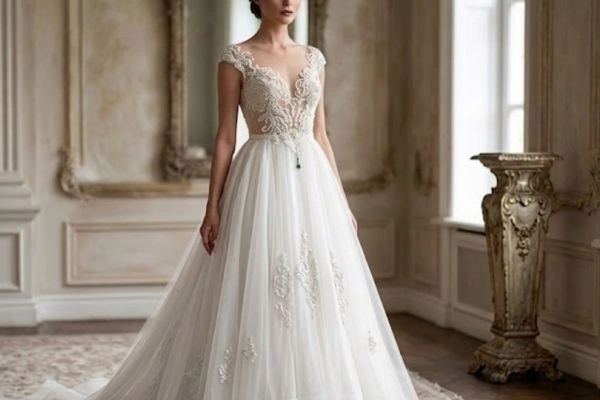
A‑line gowns are flattering for many body types because they fit at the bust and flow gently into a wider skirt. This classic silhouette offers both balance and elegance without overwhelming the frame. A‑line dresses work beautifully for traditional ceremonies and modern celebrations alike, making them a reliable choice for brides who want versatility and comfort in one gown.
A‑line designs often come in lightweight fabrics such as chiffon or tulle, making them ideal for outdoor weddings. The gradual flare from the waist also allows ease of movement, perfect for dancing and walking down the aisle. Because they combine structure with softness, they look timeless in photographs.
Mermaid And Fit‑And‑Flare Styles
Mermaid silhouettes are fitted through the bodice, waist, and hips before flaring out around the knees or lower. This gown style adds drama and glamour while accentuating curves. Fit‑and‑flare styles create a similar line but flare a bit higher on the thigh, giving softer movement without losing definition.
Modern versions feature lighter fabrics and softer flare points to make movement easier throughout the day. Brides who want a bold silhouette that highlights their shape often lean toward these styles. The balance of a form‑fitting top with a playful skirt creates a striking wedding look.
Ball Gowns
Ball gowns are the quintessential fairytale style, with a fitted bodice and a full skirt that creates a dramatic, picture‑perfect look. Updated versions use lighter materials so they remain breathable and comfortable while retaining volume.
Ball gowns are often chosen for formal church weddings and grand ballroom celebrations. They provide maximum impact and create a memorable entrance. With options like lace overlays and embroidery, ball gowns can feel both classic and modern at once.
Empire And Drop‑Waist Dresses
Empire waist gowns sit high under the bust, offering a gentle flow and elongation of the torso. This creates a soft, romantic silhouette ideal for outdoor or garden weddings where relaxed elegance is a priority. Drop‑waist dresses create a modern, elongated line by extending the bodice before flaring into the skirt. These styles flatter a range of figures by emphasizing length rather than volume.
Empire and drop‑waist gowns often work well with lighter fabrics, adding to their airy feel. They suit brides who love a gown that moves gracefully with every step. Both styles can feel effortless yet polished for daytime or casual celebrations.
Latest Wedding Dress Trends Influencing Bridal Choices
Bridal fashion continues to evolve, and current trends help brides express individuality and creativity through their gown. Designers and fashion magazines regularly highlight new shapes, fabrics, and statement details that keep wedding dress styles fresh.
Sculptural Silhouettes And New Shapes
Structured designs with architectural elements such as sculpted skirts, basque waistlines, and unique necklines are gaining traction. These shapes give wedding gowns a couture feel that looks artistic and bold on camera.
Fashion houses are experimenting with volume in unexpected places. For example, oversized pockets integrated into skirts or exaggerated pleats add visual interest. Sculptural silhouettes are ideal for brides who want a fashion‑forward look that still feels bridal.
Illusion And Sheer Elements
Sheer fabrics like organza and chiffon are being used for dreamy overlays, illusion sleeves, or transparent bodices that add romantic depth to a gown. These touches create lightness and movement while preserving elegance.
Illusion necklines allow for delicate beadwork or lace details to appear as if they float on the skin. Sleeves made from sheer material offer coverage without weight, making them perfect for cooler seasons. These elements strike a balance between modesty and contemporary style.
Convertible And Two‑Piece Styles
Convertible gowns with detachable sleeves, overskirts, or capes are becoming more popular. Many brides today want multiple looks within one day. A gown that transforms from ceremony to reception feels practical and stylish.
Two‑piece outfits and short reception dresses offer parties an energetic alternative to a longer skirt. This trend reflects modern brides’ desire for flexibility without sacrificing fashion. Choosing a convertible option means you get two wardrobe moments in one.
Statement Details
Bold details such as puff sleeves, oversized bows, 3D florals, and textured layering are trending on runways and bridal shows. These features can turn a simple silhouette into something expressive and unique.
3D floral appliques bring gardens and soft details into the dress fabric itself, while exaggerated bows create eye‑catching accents. Textured skirts with layered fabric make for dynamic movement in photos. Statement details allow brides to add personal flair while keeping the dress grounded in classic bridal tradition.
How To Choose A Wedding Dress Based On Your Body Shape
Every bride’s body is unique, and while rules aren’t set in stone, some silhouettes tend to flatter more than others. Understanding your shape can speed up the selection process and make dress shopping more enjoyable.
Hourglass Figure
For brides with an hourglass shape, gowns that define the natural waist and flow outward can highlight curves. Sheath and fit‑and‑flare styles are excellent options because they follow the body’s contour without overwhelming it.
Ball gowns can also suit hourglass figures when the waistline is snug. These gowns emphasize the natural silhouette and create a balanced profile. Choosing fabrics with slight stretch offers comfort alongside elegance.
Pear‑Shaped Body
Empire waist or A‑line gowns work particularly well for pear‑shaped figures because they skim the hips and draw attention upward toward the neckline and shoulders. This creates a flattering balance between top and bottom.
Detailed bodices with lace or beadwork help showcase the upper body. Light fabrics such as chiffon allow the skirt to fall softly without adding bulk. These styles help create a graceful and harmonious silhouette.
Petite Brides
Petite brides benefit from streamlined silhouettes, such as sheath or trumpet dresses, that elongate the body visually without adding bulk. Minimalist designs with vertical details help create the illusion of height.
Dresses with slightly raised waistlines can also add proportion and lengthen the legs. Shorter gowns or tea‑length styles offer another option for petite brides who want a modern, playful look. Careful tailoring ensures each design feels custom to the individual.
Plus‑Size Brides
Plus‑size brides often find ball gowns with structure or mermaid styles with stretch panels to be very flattering. Look for supportive bodices and fabrics that hold shape while allowing comfortable movement.
V‑necklines can draw the eye upward and provide a balanced look for fuller figures. Light embroidery or beadwork can accentuate curves in a refined way. Choosing gowns with built‑in support adds confidence all day.
How To Choose A Wedding Dress Based On Venue And Wedding Vibe
The wedding dress should also match the overall feel of the event. Where you are getting married affects fabric choice, silhouette, and the level of formality or relaxation.
Outdoor Or Garden Weddings
Lighter fabrics like chiffon or tulle are ideal for outdoor settings because they move with the breeze and keep you cool. Simple A‑line or boho‑style dresses also complement natural backdrops beautifully.
Flowing silhouettes create a relaxed and romantic look. Soft floral lace or gentle embroidery can reflect the environment and enhance photos. For garden weddings, comfort and movement are key considerations.
Formal Church Ceremonies
Structured, elegant designs such as ball gowns or mermaid silhouettes feel right at home in traditional venues. Lace and beadwork add a refined touch suitable for sacred settings.
Veils often play a larger role in formal ceremonies. Classic accessories such as cathedral veils or crystal headpieces elevate the traditional bridal profile. The result feels timeless and respectful of tradition.
City Hall Or Civil Ceremonies
For minimal or contemporary weddings, sleek, tailored dresses or shorter silhouettes can be equally stunning. These styles feel modern and practical without sacrificing style.
Simple sheath dresses with clean lines or short cocktail‑length gowns offer a chic, confident air. These are ideal for intimate settings and understated style. Coordinating accessories, such as a bold belt or an elegant clutch, adds polish to the look.
How To Shop For Your Wedding Dress
Shopping for a wedding dress takes planning and patience. Knowing when to shop and how to approach appointments makes the process easier.
Start Early
Bridal gowns often take months to arrive, and alterations take additional time. Starting shopping early ensures enough time to explore multiple styles without feeling rushed.
Booking appointments at well‑known bridal salons helps ensure the best selection. Trying on gowns early gives you a baseline for what you like. This reduces stress and lets you enjoy the experience.
Set A Realistic Budget
Before trying on dresses, decide on a budget range. This prevents falling in love with designs that are far outside your price point, allowing you to focus on realistic choices.
Price ranges vary based on designer, fabric, and detailing. Keep in mind that alterations, accessories, and veil choices add to the total. Setting a clear budget lets you choose with confidence.
Bring Trusted Support
Too many opinions can be overwhelming. Bring one or two people whose insights you value most and who help you feel confident in your choice.
Loved ones can offer encouragement and perspective. Be sure they understand your style and the dress’s goals. Their support should guide rather than steer your decision.
Try On Multiple Silhouettes
Do not settle on the first dress you try. Sometimes a silhouette that looks perfect on the hanger feels different when worn. Exploring different cuts helps you find what truly feels right.
Trying multiple shapes helps refine what flatters your body and personal taste. Dresses you least expect can end up feeling perfect. Being open to surprises often leads to happy discoveries.
Work With Bridal Designers And Brands
Some reputable designers and bridal brands consistently appear in wedding-dress trend coverage and in bridal salons. Exploring these names can help guide your search.
- Pronovias is a well‑known bridal house offering a wide range of silhouettes, from classic A‑line gowns to princess and mermaid designs. Their current collections highlight sculptural yet wearable styles.
- Vera Wang is a legendary bridal designer known for modern, fashion‑forward wedding dresses and creative silhouettes that push traditional boundaries. Many brides seek her gowns when they want a bold, couture feel.
- Monique Lhuillier is a respected name in bridal fashion, renowned for luxury fabrics, intricate details, and romantic silhouettes. Reviews often note how her gowns blend classic elegance with modern flair.
- Sottero and Midgley are known for mermaid and fit‑and‑flare styles that blend classic shape with contemporary touches. Their gowns offer a balance of structure and softness that many brides appreciate.
Exploring designs from these houses, whether in bridal salons or at bridal trunk shows, can offer insight into what feels most flattering and stylistically aligned with your vision.
Alterations And Final Fit
Once a dress is chosen, alterations are crucial to making it feel like your own gown. A dress must fit your body precisely to look and feel right.
Tailoring Is Essential
No wedding dress will fit perfectly right off the rack. Skilled alterations can adjust the bodice, neckline, and skirt length to flatter your proportions. Professional tailors ensure the gown moves comfortably as you walk, sit, and dance.
Adjust For Comfort
Discuss comfort factors with your tailor, including ease of movement, sitting, and walking. Alterations can also add supportive structure, such as reinforced seams or built‑in cups. These small touches help you feel secure without sacrificing style.
Accessorizing Your Wedding Dress
Accessories complete the bridal look and can personalize even a classic silhouette. Thoughtful choices help you express your style while enhancing the gown.
Veils And Headpieces
Veils remain a timeless choice, but modern brides also favor floral crowns, crystal combs, or minimalist bands. These headpieces showcase your style and highlight your face perfectly in photos.
Shoes To Match Your Style
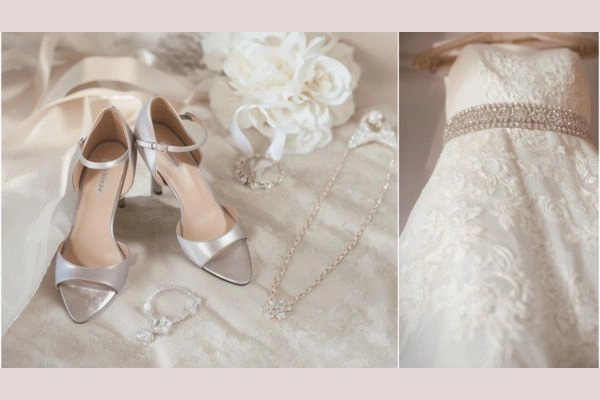
Whether classic satin heels, embellished sandals, or comfortable flats, bridal shoes should both complement the dress and support all‑day wear. Guides stress the importance of finding a pair that balances style and comfort. Shoes that feel good help you move with confidence.
Jewelry And Belts
Statement earrings or delicate necklaces add sparkle, while belts can define the waist or introduce a contrasting texture. Jewelry choices draw attention to the neckline and the overall aesthetic. Belts can be especially effective at transforming a simple silhouette into something distinctive.
Caring For Your Wedding Dress
Proper care ensures your wedding dress stays pristine from shopping through the big day. Simple steps help preserve its beauty for years.
Storage
Place your gown in a shaded, dry space to preserve its fabric. Protect it in a breathable garment bag to avoid yellowing or fabric damage over time. Keeping it hanging safely reduces wrinkles and preserves shape.
Cleaning
Schedule professional cleaning soon after the wedding to preserve fabric and remove stains. This helps protect heirloom quality if you plan to keep the dress long‑term. Professional cleaners know how to safely treat delicate fabrics and beadwork.
Frequently Asked Questions
- How Do I Choose A Wedding Dress That Suits My Body Shape?Start by identifying your body type. Hourglass figures look great in fit‑and‑flare styles, pear shapes benefit from A‑line or empire waist gowns, and petite brides shine in sheath or trumpet silhouettes.
- What Wedding Dress Silhouettes Are Most Popular?
Top styles include A‑line, mermaid, ballgown, and empire-waist dresses. Each offers unique movement, comfort, and visual appeal, making it easier to match your style and venue. - Can I Wear A Two‑Piece Or Convertible Wedding Dress?Yes. Two‑piece and convertible gowns are trending, offering versatility for ceremony and reception looks. Detachable sleeves, capes, or skirts allow multiple fashion moments in one day.
- When Is the Best Time to Start Shopping for Your Wedding Dress?
Begin shopping at least 8–12 months before your wedding. This allows time for fittings, alterations, and exploring multiple silhouettes without stress. - What Are The Best Accessories To Wear With Your Wedding Dress?
Choose accessories that complement the gown and enhance your style. Veils, headpieces, shoes, belts, and jewelry can personalize your look while ensuring comfort and balance.
Choosing the Perfect Wedding Dress for Your Day
Choosing a wedding dress that feels uniquely yours is a journey of discovery and celebration. By learning about key silhouettes, understanding what flatters your shape, and paying close attention to style details, you make a choice that reflects your personality and the story you want to tell on your big day.
From timeless classics to bold trends, current bridal fashion offers expressive and flexible designs. Whether you gravitate toward sculptural elegance, romantic lace, or minimalist chic, finding a dress that fits both your body and your spirit makes the wedding experience unforgettable. With thoughtful planning and trusted expertise, you can confidently choose a gown that feels precisely like you.